
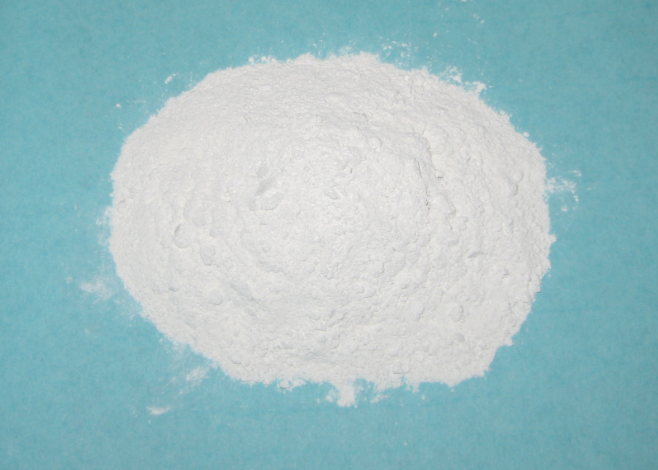
A Critical Mineral for High-Performance Chemical Applications
Natural barite (baryte), scientifically known as barium sulfate (BaSO₄), is a vital industrial mineral for the global chemical industry. Thanks to its exceptional chemical inertness, high density, purity, and thermal stability, natural barite plays a strategic role in chemical manufacturing, advanced material formulations, and downstream barium compound production.
According to the USGS Mineral Commodity Summaries, barite remains one of the most important non-metallic minerals supporting chemical and industrial supply chains worldwide (https://www.usgs.gov).
What Is Natural Barite? (Chemical Industry Definition)
Natural barite is a non-toxic sulfate mineral and the primary source of barium-based chemicals. Its resistance to acids, alkalis, and solvents makes it an ideal raw material and functional additive in chemical processes.
Key Chemical & Physical Properties of Barite
-
Chemical Formula: BaSO₄
-
Molecular Weight: 233.39 g/mol
-
Specific Gravity: 4.3–4.6 g/cm³
-
Solubility: Practically insoluble in water
-
Reactivity: Extremely low
-
Thermal Resistance: Excellent
These properties are widely documented by Encyclopaedia Britannica and industrial mineral references (https://www.britannica.com).
Global Barite Market: Chemical Industry Statistics
The global barite market continues to grow as chemical applications diversify beyond traditional oil and gas uses.
Market Size & Industry Data
-
Global barite production exceeds 8 million metric tons annually
-
Estimated market value: USD 1.5–2.0 billion
-
Chemical and industrial uses represent 10–15% of total barite consumption
-
Forecast CAGR for chemical-grade barite: ~4% through 2030
These figures are supported by market intelligence reports from Statista and Mordor Intelligence
(https://www.statista.com, https://www.mordorintelligence.com).
“Demand for chemical-grade barite is expanding due to increased use in specialty chemicals and advanced material formulations,” — Industrial Minerals Analyst, Research Nester (https://www.researchnester.com)
Why Natural Barite Is Essential to the Chemical Industry
Barite offers performance characteristics that few minerals can replicate, especially in precision chemical environments.
Barite as a Feedstock for Barium Chemicals
Natural barite is the primary feedstock for manufacturing essential barium compounds, including:
-
Barium carbonate (BaCO₃)
-
Barium chloride (BaCl₂)
-
Barium nitrate (Ba(NO₃)₂)
-
Barium hydroxide (Ba(OH)₂)
These chemicals are widely used in specialty glass, pigments, ceramics, catalysts, and electronics, as outlined by Chemical Engineering World (https://www.chemicalengineeringworld.com).
“The barium chemical value chain begins with high-purity natural barite,” — Senior Process Engineer, chemical manufacturing sector
Barite as a Functional Filler in Chemical Formulations
In chemical formulations, barite acts as a functional filler, improving both physical and chemical performance rather than simply reducing costs.
Key advantages include:
-
Density control in liquid and solid formulations
-
Chemical inertness for reaction stability
-
Low oil absorption
-
Improved dispersion and consistency
According to SpecialChem, barite is widely used in coatings, sealants, adhesives, and polymer compounds (https://www.specialchem.com).
Chemical Industry Applications of Natural Barite
Pigments, Paints & Chemical Coatings
Barite improves the chemical resistance, opacity, and durability of industrial coatings exposed to corrosive environments. It is commonly used in:
-
Epoxy coatings
-
Polyurethane paints
-
Anti-corrosion chemical coatings
Industry insights from PCI Magazine highlight barite’s role in extending coating lifespan (https://www.pcimag.com).
Plastics & Polymer Chemistry
In polymer chemistry, barite enhances:
-
Density without toxicity
-
Sound insulation properties
-
Dimensional stability
It is frequently used in automotive polymers, electrical components, and chemical containers, as reported by PlasticsToday (https://www.plasticstoday.com).

Rubber, Sealants & Industrial Chemical Products
Barite improves mechanical strength, thermal resistance, and chemical stability in:
-
Industrial rubber goods
-
Chemical gaskets
-
Acid-resistant linings
These applications are documented by AZoM – Materials Science
(https://www.azom.com).
Specialized Chemical Terminology for Barite (SEO Focus)
To align with chemical buyers and procurement specialists, common industry terms include:
-
Chemical-Grade Barite: High-purity BaSO₄ for chemical synthesis
-
Inert Mineral Filler: Non-reactive formulation additive
-
Specific Gravity Modifier: Used to control product density
-
Particle Size Distribution (PSD): Key factor for dispersion and reactivity
-
Barium Feedstock: Raw material for downstream chemical compounds
Using this terminology improves visibility for industrial and chemical SEO keywords.
Quality Standards for Chemical-Grade Barite
Chemical manufacturers typically require:
-
BaSO₄ content ≥ 95–98%
-
Low iron and heavy metal content
-
Controlled moisture levels
-
Fine mesh sizes (200–325 mesh)
-
Compliance with ISO and REACH standards
Quality benchmarks are referenced by European Chemicals Agency (ECHA)
(https://echa.europa.eu).
Sustainability & Environmental Compliance
Natural barite is valued as an environmentally stable mineral:
-
Non-toxic
-
Non-flammable
-
Chemically inert
-
Long service life
Responsible sourcing supports ESG goals and regulatory compliance in the chemical sector, as noted by International Council on Mining & Metals (ICMM) (https://www.icmm.com).
“Barite’s inert chemistry makes it one of the safest industrial minerals for long-term chemical use,” — Environmental Compliance Consultant
Future Outlook: Barite in Advanced Chemical Manufacturing
Future growth drivers include:
-
Expansion of specialty chemical production
-
Growth in high-performance polymers
-
Increased demand for chemical-resistant and radiation-shielding materials
-
Stable demand for barium-based compounds
Market forecasts from Mordor Intelligence project sustained growth in chemical-grade barite demand (https://www.mordorintelligence.com).
Conclusion: Natural Barite as a Strategic Chemical Mineral
Natural barite is a cornerstone mineral for the chemical industry, offering unmatched purity, stability, density, and safety. From raw material sourcing to functional filler applications, barite enables consistent performance across chemical manufacturing sectors.
For companies seeking reliable, compliant, and high-performance mineral solutions, natural barite remains an essential choice.