
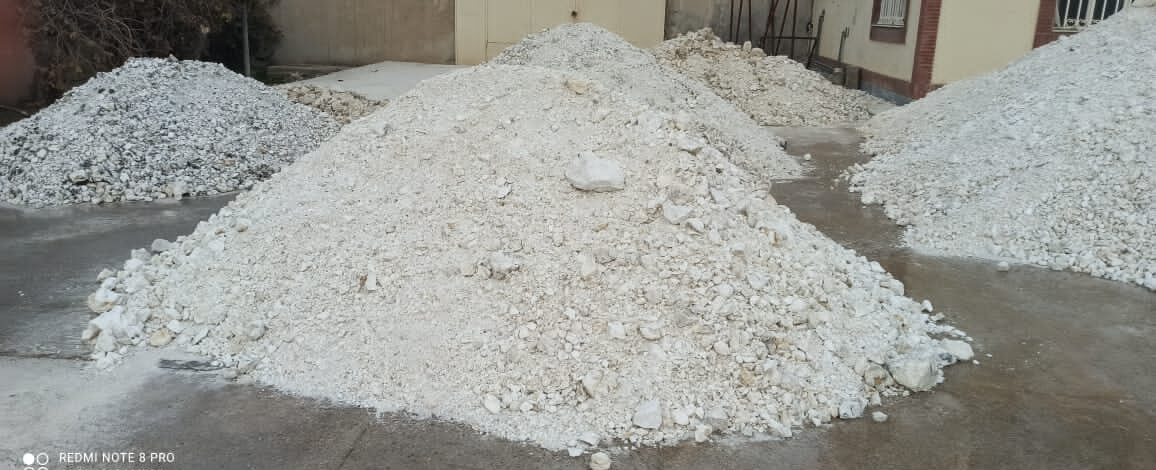
The Heavyweight Industrial Mineral Powering Modern Markets
Natural barite mineral (also spelled baryte, chemical formula BaSO₄) is one of the most commercially significant non-metallic minerals in the global economy. Its high specific gravity, chemical inertness, and technical performance make it indispensable across energy, industrial, medical, and manufacturing sectors. This comprehensive article explores barite’s properties, statistics, market trends, industrial uses, and future outlook.
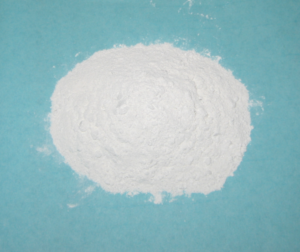
What Is Barite? A Technical Overview
Barite is a sulfate mineral composed of barium sulfate (BaSO₄) and is the primary ore of barium, a valuable alkaline earth metal. Known as the heaviest non-metallic mineral, it typically exhibits a specific gravity of 4.3–4.6 g/cm³, significantly higher than most industrial minerals. bariteco+1
| Natural barite mineral is one of the most commercially significant non-metallic minerals in the global economy.Natural barite mineral stands at the crossroads of energy, industry, and technology. Whether aiding in deep-sea drilling operations or enhancing diagnostic imaging, its performance attributes ensure continued relevance. With global markets forecast to grow steadily, barite continues to be a strategic industrial mineral with broad commercial appeal. |
Key Physical & Mineralogical Properties
| Property | Details |
|---|---|
| Chemical Formula | BaSO₄ |
| Color Range | White, gray, yellow, blue, brown |
| Mohs Hardness | 3–3.5 |
| Specific Gravity | 4.3–5.0 |
| Crystal System | Orthorhombic |
| Cleavage | Perfect/Good |
| Solubility | Practically insoluble in water/acids |
These physical parameters make barite ideal for applications requiring weighting, stability, and inert additives. bariteco
Global Barite Market: Statistics & Growth
Natural barite isn’t just scientifically interesting—it’s a major industrial commodity. According to Statista, global barite production reached an estimated ~8.5 million metric tons in 2023. Statista
Market Value & Forecast
Recent industry projections indicate:
-
The barite products market was around USD ~1.57–1.8 billion in 2025. Accio+1
-
Forecasts suggest the market could grow to ~USD 2.7+ billion by 2035 at an annual growth rate of 4.2%. Research Nester
-
Some forecasts even project barite tonnage could exceed 12.8 million tonnes by 2030. Mordor Intelligence
“The barite market remains robust due to its essential role in drilling fluids and diversified industrial uses,” notes a market researcher from Accio. Accio
Regional Production Leaders (Estimates)
Barite resources are globally distributed but concentrated in key regions:
-
Asia-Pacific: ~45% of reserves
-
North America: ~20%
-
Europe & Middle East: Combined ~24%
-
South America & Africa: ~18%
(Estimates based on global barite reserves data) bariteco
China, India, and Morocco are widely cited as major producers, with China often accounting for ~35–40% of global output. bariteco
Industrial Uses of Natural Barite
Barite’s industrial versatility underpins its commercial value. From oilfields to hospitals, its unique characteristics deliver technical performance that few minerals can match.

Barite in Oil & Gas Drilling
By far the largest use of barite is as a weighting agent in drilling fluids (mud) for oil and gas exploration. Its high density helps control subsurface pressures and prevent dangerous blowouts during drilling operations.
-
Approx. 80–90% of global barite consumption goes into drilling fluid applications. bariteco+1
Drilling fluids enriched with barite provide:
-
Hydrostatic pressure control
-
Cuttings suspension
-
Lubrication and cooling
-
Borehole stabilization
“Without barite, modern drilling safety and borehole management would be substantially compromised,” says a drilling engineer at a major oilfield service company.
Paints, Coatings & Fillers
Barite’s chemical inertness and opacity make it a preferred filler and extender in paints, coatings, and plastics. In these applications, it improves durability, gloss, and color stability. thebarite.com
Medical & Radiation Shielding
High-purity barite is used in medical diagnostics:
-
Barium sulfate suspensions are used as contrast agents for X-ray and CT imaging. Wikipedia
-
Its radiation blocking properties also make it a component in high-density concrete shielding in hospitals and nuclear facilities. thebarite.com
Other Industrial Applications
Natural barite also finds uses in:
-
Rubber & plastics as a performance filler
-
Paper & card manufacturing for density control
-
Brake linings & friction materials
-
Glass & ceramics as a chemical feedstock
-
Oil well cement weighting
These applications, while smaller in volume than drilling muds, contribute to the market’s diversified demand. PMC
Commercial and Technical Terminology Explained
To boost SEO and clarity for specialized audiences, here are key terms commonly used in the barite industry:
-
Specific Gravity (SG): A measure of density relative to water; barite grades often require min. API SG 4.2 for drilling use. Accio
-
API Grade Barite: Barite meeting American Petroleum Institute quality standards—critical for well-drilling applications. Accio
-
Drilling Fluids: Engineered liquids used in drilling operations to support well integrity.
-
Industrial Filler: A finely ground mineral added to finished materials to improve performance or reduce cost.
Market Trends & Future Outlook
Growth Drivers
Barite’s future demand is tied to:
-
Increased oil & gas exploration, especially offshore and unconventional drilling
-
Infrastructure and construction growth driving filler demand
-
Rising demand for medical imaging and radiation shielding
Environmental and regulatory frameworks are also encouraging sustainable mining and processing practices, reducing emissions and improving supply chain resilience. Accio
Challenges and Constraints
-
Reserve depletion of high-grade barite in certain regions
-
Export policy controls from leading producers affecting global supply
-
Competitively emerging synthetics or substitute materials for select niche applications
Despite these factors, industry analysts remain bullish on long-term demand, noting barite’s unique physical properties and lack of viable large-scale substitutes for specific high gravity applications.
Sourcing and Quality Considerations
When procuring barite for industrial use, buyers typically evaluate:
-
Purity (BaSO₄ %)
-
Specific gravity (higher is better for drilling)
-
Particle size distribution
-
Color and whiteness (for pigment and filler applications)
Leading suppliers serve diversified markets including oilfield services, specialty chemical producers, and manufacturing supply chains.
Conclusion: Barite’s Strategic Importance
Natural barite mineral stands at the crossroads of energy, industry, and technology. Whether aiding in deep-sea drilling operations or enhancing diagnostic imaging, its performance attributes ensure continued relevance. With global markets forecast to grow steadily, barite continues to be a strategic industrial mineral with broad commercial appeal.