
Enhancing Clarity, Strength, and Quality
Introduction to Barite in Glass Manufacturing
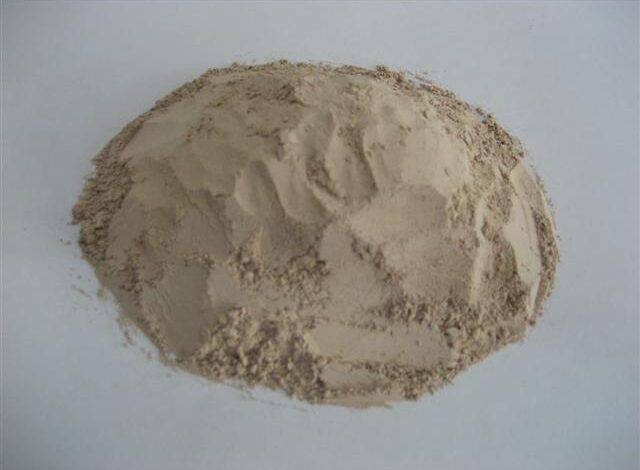
Barite (Barium Sulfate, BaSO₄) is a crucial mineral used in the glass industry because of its high purity, brightness, and chemical stability. Manufacturers add barite to glass formulations to increase density, improve brilliance, and enhance durability.
Moreover, barite helps control the light transmission and refractive index of glass, making it suitable for producing optical, medical, and high-performance industrial glass. As a result, it has become an essential raw material for achieving clarity, strength, and performance consistency in modern glass products.
Why Barite Is Vital for Glass Production
Barite offers several benefits that directly affect the quality and functionality of glass materials.
1. Improved Optical Clarity and Brightness
Because barite contains barium, it enhances the refractive index of glass, resulting in greater transparency and brilliance. Consequently, glass products appear clearer, brighter, and visually appealing. This makes barite especially valuable in optical lenses, LED screens, and decorative glass.
2. Increased Density and Strength
Barite’s high specific gravity contributes to greater glass density, which enhances both strength and durability. Therefore, barite-filled glass can withstand mechanical stress and high temperatures, making it ideal for laboratory glassware and industrial equipment.
3. Chemical and Thermal Stability
Because barite is chemically inert, it prevents unwanted reactions during glass melting. As a result, it ensures chemical stability and resistance to corrosion. Furthermore, barite helps reduce bubble formation, leading to smoother, more refined glass products.
Applications of Barite in the Glass Industry
1. Optical and Specialty Glass
High-purity barite is a key ingredient in optical and precision glass, used in lenses, microscopes, and camera systems. Its ability to modify refractive properties allows manufacturers to produce high-clarity, distortion-free glass.
2. Industrial and Laboratory Glass
In industrial applications, barite improves thermal resistance and durability. Consequently, it is widely used in beakers, flasks, and other laboratory glassware that require both heat tolerance and mechanical strength.
3. Decorative and Architectural Glass
Barite enhances the color, transparency, and reflective properties of decorative glass. Additionally, it helps create consistent color tones in architectural glass panels and design materials used in buildings and furniture.
Advantages of Using Barite in Glass Manufacturing
-
Increases clarity and brightness
-
Enhances strength and chemical resistance
-
Improves light reflection and color quality
-
Prevents defects such as bubbles or streaks
-
Reduces production costs through improved yield
Because of these properties, barite has become an indispensable additive in both mass glass production and specialized manufacturing sectors.
Choosing the Right Barite Supplier
For best results, manufacturers should select high-purity barite with low silica and iron content. Reliable suppliers provide ISO-certified materials, precise particle size control, and customized grades for specific glass applications.
In addition, consistent supply and technical support ensure smooth production processes and high-quality finished products. Choosing the right partner helps glass producers maintain competitive performance and long-term reliability.
Conclusion: Barite – The Secret to Superior Glass Quality
In conclusion, barite for the glass industry plays a vital role in improving clarity, density, and performance. Its unique optical and chemical characteristics make it a must-have additive for producing high-quality, durable, and visually appealing glass.
Therefore, businesses seeking to enhance glass quality and production efficiency should invest in high-purity barite from trusted global suppliers. With the right product, manufacturers can achieve exceptional transparency, durability, and long-term cost benefits.