
Key Factors and Market Insights
Introduction to Barite Pricing
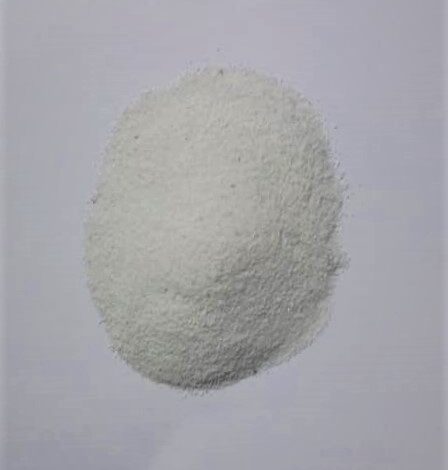
The barite price per ton plays a crucial role in industries such as oil and gas drilling, paint, plastic, rubber, and chemical production. Because barite (barium sulfate, BaSO₄) is a vital industrial mineral, its pricing reflects quality, purity, and global demand trends.
Moreover, as energy exploration and manufacturing continue to grow, the demand for high-purity barite has increased steadily. Consequently, understanding barite price variations helps buyers and manufacturers make smart purchasing and investment decisions.
What Determines Barite Price per Ton
1. Purity and Specific Gravity
The most significant factor affecting barite price per ton is its purity and specific gravity. Barite with a BaSO₄ content above 95% and a specific gravity of 4.2 or higher is considered premium grade. Because it meets API standards for drilling fluids, this grade typically commands higher prices. In contrast, lower-purity barite with impurities such as silica or iron sells for less.
2. Processing and Packaging
Another key element in pricing is processing quality. Barite that undergoes grinding, flotation, and micronizing processes offers better performance and consistency. Therefore, processed barite generally costs more than raw ore. Additionally, packaging options such as bulk, jumbo bags, or customized small packs can influence the final price per ton.
3. Transportation and Export Costs
Because barite is a dense mineral, transportation costs significantly affect overall pricing. Exported barite prices depend on shipping routes, distance to port, and freight charges. Suppliers located near major ports — such as in Iran, China, or India — can offer competitive export prices due to lower logistics expenses.
Average Barite Price per Ton in Global Markets
1. Drilling Grade Barite
Currently, the average price for drilling-grade barite (SG 4.2) ranges between $130 to $180 per ton, depending on purity and origin. Premium-grade barite from Iran or China, which meets API 13A specifications, usually stays at the higher end of this range.
2. Industrial Grade Barite
Barite used in paint, rubber, glass, or chemical industries costs between $100 to $150 per ton. Although its purity is slightly lower than API-grade barite, it remains an affordable option for non-drilling applications.
Why Choose Barite from Reliable Suppliers
Selecting a trusted barite supplier ensures you receive accurate pricing, consistent quality, and reliable delivery. Reputable suppliers provide:
-
Laboratory-tested materials with certification
-
Flexible packaging and shipment options
-
Stable pricing contracts for long-term buyers
-
Expert technical support for industrial applications
Because of their strong logistics networks and transparent operations, professional suppliers help clients reduce risks and control costs effectively.
Conclusion: Barite Price Trends and Future Outlook
In conclusion, the barite price per ton depends on various factors — from quality and processing to location and logistics. With increasing demand from the energy and industrial sectors, prices are expected to remain stable to slightly upward in the coming years.
Therefore, industries seeking dependable and high-quality barite should partner with experienced global suppliers, especially those based in resource-rich regions like Iran. By doing so, buyers can secure competitive prices, consistent quality, and timely delivery for their ongoing projects.