
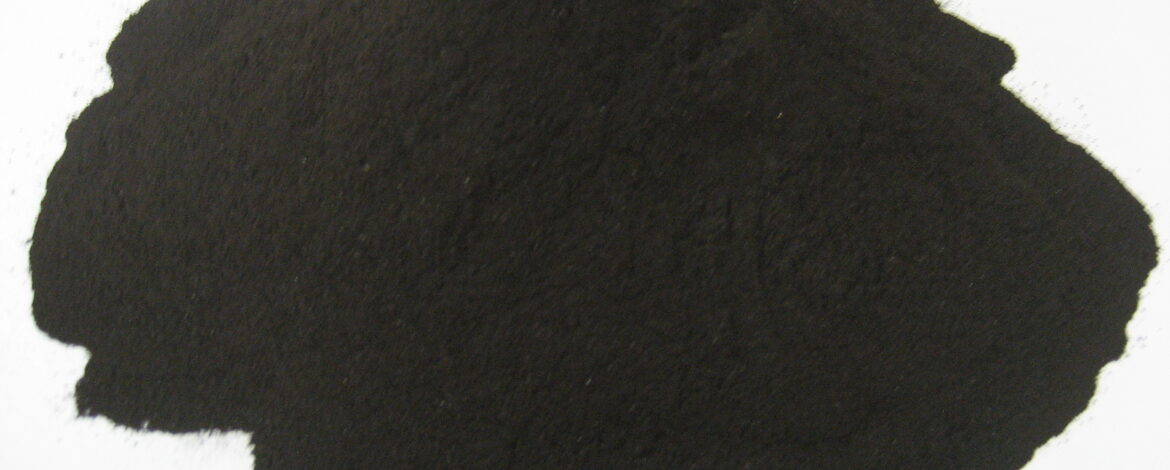
Industrial Minerals → Gilsonite
Iranian Gilsonite: Properties, Uses, Applications, Specifications and Export Guide
Introduction
Iranian Gilsonite is a naturally occurring solid hydrocarbon mineral used in oil and gas drilling, asphalt modification, bitumen production, foundry applications, inks, paints, construction materials, and several specialized industrial processes.
Gilsonite is also known as natural asphalt, natural bitumen, or uintaite in different commercial and technical contexts. It is a naturally occurring, solid, black, shiny hydrocarbon material that is found in deposits formed over geological periods.
Iran is one of the important sources of natural bitumen and Gilsonite. Iranian Gilsonite is available in different grades and can be processed into powder or granular products according to customer requirements.
The performance of Gilsonite depends on its chemical composition, softening point, ash content, solubility, particle size, volatile matter, and other physical and chemical properties.
Because different industries require different characteristics, buyers should select Gilsonite according to the final application rather than purchasing solely according to the product name.
This guide explains what Gilsonite is, its properties, applications, grades, technical specifications, quality control, packaging, pricing factors, and export considerations.
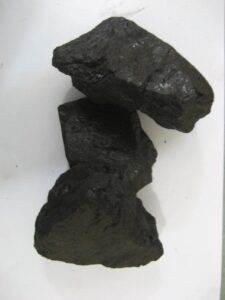
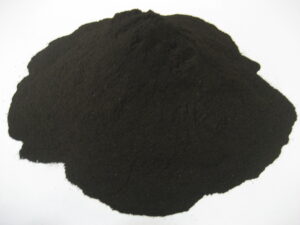
What Is Gilsonite?
Gilsonite is a naturally occurring solid hydrocarbon resin that is generally black, brittle, and lustrous.
It is a naturally occurring form of asphaltic material and contains a complex mixture of hydrocarbons.
Unlike conventional liquid bitumen, Gilsonite is naturally solid at normal temperatures.
It can be crushed, ground, and processed into different particle sizes for industrial applications.
Gilsonite is valued because of properties such as:
- High softening point
- High hydrocarbon content
- Compatibility with bitumen
- Solubility in selected organic solvents
- Black color
- Thermoplastic behavior
- Binding properties
- Resistance to certain chemicals
The exact characteristics depend on the geological source and grade.
Gilsonite Composition
Gilsonite consists primarily of naturally occurring hydrocarbons.
Its composition may include:
- Asphaltenes
- Resins
- Aromatic hydrocarbons
- Saturated hydrocarbons
- Mineral matter
- Volatile components
The relative proportion of these components varies according to the deposit and product grade.
For industrial purchasing, buyers should request a laboratory analysis of the actual material rather than relying on a general description of Gilsonite.
Main Properties of Gilsonite
Softening Point
Softening point is one of the important parameters used to classify Gilsonite.
Different industrial applications may require different softening-point ranges.
For example, a drilling-fluid formulation may require different characteristics from an asphalt-modification application.
Solubility
Gilsonite can dissolve or disperse in selected organic solvents and hydrocarbon systems.
Its solubility characteristics are important in applications involving:
- Bitumen
- Asphalt
- Drilling fluids
- Inks
- Coatings
- Chemical formulations
Hydrocarbon Content
The hydrocarbon content and composition influence the performance of Gilsonite in different industrial formulations.
Ash Content
Ash represents the inorganic mineral residue remaining after combustion.
Lower ash content may be required for certain applications, while other industrial uses can tolerate higher mineral content.
Particle Size
Particle size affects:
- Mixing
- Dispersion
- Dissolution
- Processing
- Handling
- Final product performance
Gilsonite can be supplied in different particle-size ranges depending on the application.
Gilsonite Grades
Gilsonite can be classified according to its physical and chemical characteristics.
Commercial classifications may consider:
- Softening point
- Ash
- Solubility
- Particle size
- Moisture
- Hydrocarbon composition
Suppliers may offer different grades for drilling, asphalt, foundry, ink, coating, and other applications.
Because grading systems can differ between suppliers and markets, buyers should request the complete technical specification rather than relying only on a grade name.
Gilsonite for Oil and Gas Drilling
Oil and gas drilling is one of the most important applications of Gilsonite.
Gilsonite can be added to drilling fluids because of its ability to modify certain drilling-fluid properties.
Potential functions include:
- Wellbore stabilization
- Shale inhibition
- Fluid-loss control
- Formation sealing
- Reduction of differential sticking
- Improvement of filter-cake characteristics
- Lubrication
The exact function depends on the drilling-fluid formulation and the type of Gilsonite used.
Gilsonite for Wellbore Stabilization
Wellbore instability can create significant problems during drilling.
Gilsonite can be incorporated into certain drilling-fluid systems to help seal microfractures and improve the integrity of the filter cake.
This may help reduce fluid invasion into selected formations.
The suitability of Gilsonite depends on formation characteristics and the overall drilling-fluid formulation.
Gilsonite for Shale Stabilization
Certain shale formations can interact strongly with drilling fluids.
Gilsonite-based additives may help reduce fluid invasion and contribute to stabilization in some drilling applications.
However, formulation performance should always be evaluated under actual or simulated drilling conditions.
Gilsonite for Fluid-Loss Control
Gilsonite can contribute to fluid-loss control by improving the sealing characteristics of the filter cake.
The actual performance depends on:
- Gilsonite grade
- Particle size
- Concentration
- Drilling-fluid chemistry
- Formation properties
Laboratory testing is recommended before large-scale field use.
Gilsonite in Asphalt
Gilsonite is widely used as a natural asphalt modifier.
When incorporated into asphalt mixtures, it can modify selected physical and performance characteristics.
Potential benefits include:
- Increased stiffness
- Improved resistance to deformation
- Improved high-temperature performance
- Modification of binder properties
- Enhanced resistance to certain pavement stresses
The actual effect depends on the asphalt formulation, dosage, aggregate characteristics, and production conditions.
Gilsonite for Bitumen Modification
Gilsonite can be blended with petroleum bitumen to modify its properties.
Depending on the formulation, Gilsonite may influence:
- Softening point
- Penetration
- Viscosity
- Stiffness
- Temperature susceptibility
- Resistance to deformation
The appropriate dosage should be determined through laboratory testing.
Gilsonite in Asphalt Pavement
Gilsonite can be used as a modifier in asphalt pavement formulations.
Potential applications include:
- Highways
- Roads
- Industrial pavements
- Airport pavements
- Heavy-traffic roads
The final formulation should be developed according to the pavement design and applicable standards.
Gilsonite in Foundry Applications
Gilsonite can be used in selected foundry processes as a carbonaceous additive.
It can contribute to:
- Surface finish
- Mold performance
- Reduction of certain casting defects
- Improved carbon content during casting
The exact benefits depend on the foundry sand system and formulation.
Gilsonite in Inks
Gilsonite can be used in certain printing-ink formulations.
Its resinous and hydrocarbon characteristics can contribute to:
- Binding
- Gloss
- Adhesion
- Pigment dispersion
- Water resistance
The required grade depends on the ink formulation and printing process.
Gilsonite in Paints and Coatings
Gilsonite can be incorporated into certain coatings and protective formulations.
Potential benefits can include:
- Dark coloration
- Binding properties
- Water resistance
- Chemical resistance
- Adhesion
Specialized grades may be selected according to the final coating system.
Gilsonite in Construction
Gilsonite can be used in selected construction-related applications, especially where asphaltic or hydrocarbon-based modification is required.
Applications can include:
- Asphalt modification
- Waterproofing
- Roofing materials
- Sealants
- Construction coatings
The required grade depends on the formulation.
Gilsonite in Drilling Fluids vs. Asphalt
Although the same natural mineral can be used in both industries, the required properties can be different.
| Property | Drilling Application | Asphalt Application |
| Particle Size | Application dependent | Application dependent |
| Softening Point | Important | Important |
| Ash | Controlled according to grade | Application dependent |
| Solubility | Important | Important |
| Hydrocarbon Content | Important | Important |
| Mixing Behavior | Critical | Critical |
| Product Grade | Drilling-specific | Asphalt-specific |
Therefore, buyers should always specify the intended application when requesting Gilsonite.
Iranian Gilsonite
Iran is an important source of natural bitumen and Gilsonite.
Iranian Gilsonite is available in different qualities and can be processed according to industrial requirements.
Depending on the deposit and processing method, Iranian Gilsonite may vary in:
- Softening point
- Ash content
- Solubility
- Hydrocarbon content
- Moisture
- Particle size
- Volatile matter
For international trade, the specific product analysis should be provided for every commercial grade.
Iranian Gilsonite for Export
Iranian Gilsonite can be supplied to international buyers for several industries.
Potential markets include:
- Oil and gas drilling
- Asphalt
- Bitumen
- Road construction
- Foundry
- Inks
- Paints
- Coatings
- Construction materials
- Industrial chemical applications
Export orders should be based on a clearly defined technical specification.
Gilsonite Technical Specifications
A Gilsonite specification sheet may include:
| Parameter | Specification |
| Appearance | Black, shiny solid mineral |
| Form | Powder or granules |
| Softening Point | Grade dependent |
| Ash Content | Grade dependent |
| Solubility | Grade dependent |
| Moisture | Grade dependent |
| Particle Size | Application dependent |
| Hydrocarbon Content | Grade dependent |
| Volatile Matter | Grade dependent |
| Packaging | Bags or jumbo bags |
Actual values must be determined from laboratory analysis of the specific commercial product.
Gilsonite Particle Size
Gilsonite can be processed into different particle sizes.
Common commercial forms include:
- Granular Gilsonite
- Coarse Gilsonite
- Fine powder
- Very fine powder
- Customized mesh sizes
Particle size selection depends on the final application.
For drilling fluids, asphalt modification, inks, and coatings, different particle sizes may provide different mixing and dispersion characteristics.
Gilsonite Powder
Powdered Gilsonite is widely used because its smaller particle size can improve mixing and dispersion.
Fine Gilsonite powder may be used in:
- Drilling fluids
- Asphalt
- Bitumen modification
- Inks
- Coatings
- Foundry formulations
The required mesh should be specified by the buyer.
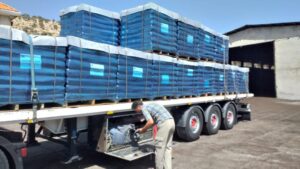
Gilsonite Packaging
Gilsonite can be supplied in several packaging formats.
Typical options include:
- 20–25 kg bags
- 25 kg bags
- 40 kg bags
- 50 kg bags
- Jumbo bags
- Customized packaging
Export packaging should protect the product from contamination and excessive moisture.
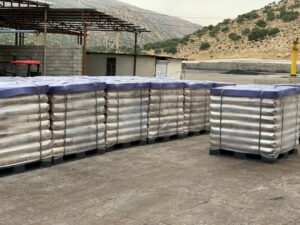
Gilsonite Storage
Gilsonite should be stored in a dry, clean, and well-ventilated environment.
Recommended storage practices include:
- Keep away from excessive moisture
- Protect from contamination
- Store in sealed packaging
- Avoid direct exposure to weather
- Maintain suitable warehouse conditions
Handling and storage should also consider the product’s dust characteristics.
Gilsonite Quality Control
Quality control is important because Gilsonite characteristics can vary significantly between deposits.
A professional quality-control program can include:
- Raw material inspection
- Softening-point testing
- Ash testing
- Solubility testing
- Moisture testing
- Particle-size analysis
- Batch identification
- Certificate of Analysis
- Sample testing
For specialized applications, the buyer may request independent inspection.
How to Choose the Right Gilsonite
Before purchasing Gilsonite, buyers should identify the final application.
Important questions include:
- What is the intended application?
- What softening point is required?
- What ash content is acceptable?
- What particle size is required?
- What solubility characteristics are needed?
- What quantity is required?
- What packaging is preferred?
- What destination country or port is involved?
- What certificates are required?
- Is a pre-shipment inspection required?
This information allows the supplier to recommend the appropriate grade.
Gilsonite Price
Gilsonite prices vary depending on:
- Grade
- Softening point
- Ash content
- Solubility
- Particle size
- Processing
- Packaging
- Quantity
- Origin
- Freight
- Destination
- Market conditions
Therefore, there is no single universal price for Gilsonite.
A commercial quotation should be based on a clearly defined specification and delivery terms.
How to Buy Gilsonite from Iran
International buyers interested in Iranian Gilsonite should provide the following information:
- Intended application
- Required grade
- Softening point
- Ash content
- Particle size
- Quantity
- Packaging
- Destination
- Preferred Incoterm
- Required documents
- Inspection requirements
The supplier can then provide:
- Technical Data Sheet
- Certificate of Analysis
- Sample
- Commercial quotation
- Packaging details
- Shipping information
Gilsonite vs Petroleum Bitumen
Gilsonite and petroleum bitumen are related asphaltic materials but are not identical products.
Gilsonite is a naturally occurring solid hydrocarbon mineral, while petroleum bitumen is a refined or processed petroleum product.
Gilsonite can be used as a modifier for petroleum bitumen in certain formulations.
The choice between them depends on the intended application and required performance characteristics.
Gilsonite vs Natural Bitumen
The terms “Gilsonite” and “natural bitumen” are sometimes used interchangeably in commercial markets, but terminology can vary by region and industry.
Buyers should therefore focus on the actual technical characteristics and laboratory analysis rather than relying only on product terminology.
Frequently Asked Questions
What is Gilsonite?
Gilsonite is a naturally occurring solid hydrocarbon mineral, also known as natural asphalt or uintaite in certain contexts.
What is Gilsonite used for?
Major applications include oil and gas drilling fluids, asphalt modification, bitumen modification, foundry, inks, paints, coatings, and selected construction applications.
Is Gilsonite used in drilling mud?
Yes. Gilsonite can be used in certain drilling-fluid formulations for wellbore stabilization, sealing, fluid-loss control, and other functions.
What is the difference between Gilsonite and bitumen?
Gilsonite is a naturally occurring solid hydrocarbon mineral, while conventional petroleum bitumen is produced from petroleum refining or processing.
Can Gilsonite modify asphalt?
Yes. Gilsonite can be incorporated into certain asphalt and bitumen formulations to modify selected properties.
What determines Gilsonite quality?
Important parameters include softening point, ash content, solubility, hydrocarbon composition, moisture, particle size, and other laboratory characteristics.
What particle sizes are available?
Gilsonite can be supplied in granular and powdered forms with different particle-size distributions according to application requirements.
Industrial Applications of Gilsonite
Is Iranian Gilsonite available for export?
Iran produces natural bitumen and Gilsonite products for domestic and international industrial markets, subject to applicable commercial and regulatory requirements.
Can I request a Gilsonite sample?
A representative sample can generally be requested before a bulk purchase, depending on commercial conditions.
How is Gilsonite shipped?
Gilsonite is commonly shipped in bags, jumbo bags, or other packaging suitable for the quantity and transportation method.
Related Gilsonite Articles
The following supporting articles should be developed around this Pillar Page:
- What Is Gilsonite?
- Gilsonite Uses and Applications
- Gilsonite for Oil and Gas Drilling
- Gilsonite Drilling Fluid Additive
- Gilsonite for Wellbore Stabilization
- Gilsonite for Shale Stabilization
- Gilsonite for Fluid-Loss Control
- Gilsonite for Asphalt Modification
- Gilsonite for Bitumen Modification
- Gilsonite in Road Construction
- Gilsonite Softening Point
- Gilsonite Ash Content
- Gilsonite Solubility
- Gilsonite Powder and Mesh Size
- Gilsonite for Foundry
- Gilsonite for Printing Inks
- Gilsonite for Paints and Coatings
- Iranian Gilsonite Suppliers
- Gilsonite Export from Iran
- How to Buy Gilsonite from Iran
- Gilsonite Price Factors
- Gilsonite Packaging and Shipping
- Gilsonite vs Bitumen
- Gilsonite vs Natural Bitumen
Conclusion
Gilsonite is a valuable naturally occurring solid hydrocarbon mineral with applications in oil and gas drilling, asphalt and bitumen modification, foundry, inks, coatings, and other industrial processes.
Its technical characteristics can vary significantly according to geological source and processing. For this reason, buyers should select Gilsonite according to the intended application and verify the relevant properties through laboratory analysis.
Iran is an important source of natural bitumen and Gilsonite, and Iranian material can be supplied in different grades, particle sizes, and packaging formats for industrial buyers.
For bulk purchasing, buyers should request a complete technical specification, Certificate of Analysis, representative sample where appropriate, packaging details, and commercial quotation before confirming an order.
Request a Gilsonite Quotation
For Iranian Gilsonite specifications, samples, availability, packaging, bulk quantities, and export quotations, contact us with your intended application, required specification, quantity, destination, and preferred delivery terms. Please Contact with info@iranbentonite.net .