
Enhancing Quality, Performance & Profitability
Introduction: Why Barite Matters in Glass Manufacturing
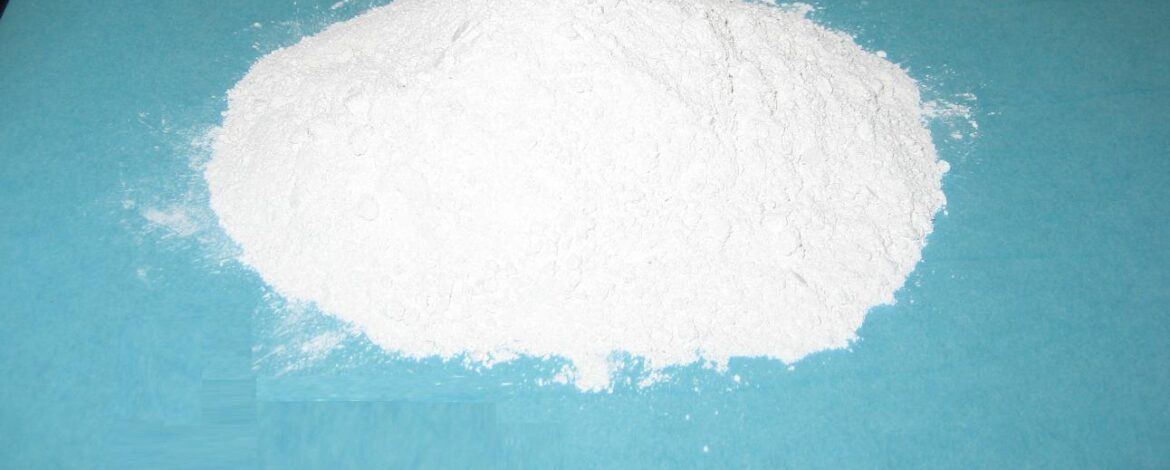
Barite — also known as barium sulfate (BaSO₄) — is a high-density industrial mineral prized for its unique physical and chemical properties. While drilling applications consume the lion’s share of global barite production, the glass industry represents a vital, specialized segment where barite significantly enhances product quality and manufacturing efficiency. teamchem
In glass manufacturing, barite serves as a fluxing and clarifying agent, contributing to better transparency, luminosity, and chemical resistance in finished glass products. As the global demand for premium glass in construction, automotive, electronics, and specialty optics continues to grow, barite’s strategic importance in this sector is increasing in both technical relevance and commercial value.
Barite’s Role in Glass Production
What Barite Does in the Glass Batch
Barite’s application in glassmaking is technically specific and functionally strategic:
-
Fluxing Action: Barite lowers the melting temperature of the silica-based glass batch, helping reduce energy consumption and furnace operating costs. teamchem
-
Improved Clarity & Brilliance: Its presence enhances the optical quality of glass, encouraging brighter, clearer glass surfaces with fewer imperfections. teamchem
-
Chemical Stability: Barite is inert at high temperatures, making it suitable for a wide range of glass types, including specialty and optical glasses. teamchem
According to a leading materials science provider: “Barite’s ability to improve chemical resistance and reduce bubble formation in molten glass directly enhances product quality while supporting smoother production runs.”
In effect, barite is more than an additive — it’s a performance enhancer that strengthens both the physical properties and commercial appeal of glass products.
Technical Advantages of Barite in Glass Manufacturing
High Specific Gravity and Fluxing Properties
Barite’s high specific gravity and chemical inertness make it a preferred fluxing agent in glass formulations. Its inclusion facilitates:
-
Lower melting temperatures
-
Enhanced batch workability
-
Reduced bubble formation
-
Consistent refractive quality in transparent glass
Glass formulations with barite often produce results that are visually superior and structurally stable, from architectural glass to specialty optical products. PMC
Particle Size & Purity Matters
Industrial barite selected for glass applications must meet rigorous specifications:
-
High BaSO₄ content: Typically ≥ 95% for optimal clarity. Government of Canada Publications
-
Controlled particle size: Tailored PSD (particle size distribution) minimizes inclusions and defects. Government of Canada Publications
-
Low impurities: Minimal iron oxide and silica reduce discoloration or turbulence in melts. Government of Canada Publications
These precise specifications transform barite from a commodity mineral into a high-value glass industry ingredient that glass producers trust for performance.
Market Dynamics: Barite in the Broader Industrial Mineral Environment
Global Barite Demand Trends

Barite’s overall market continues to grow, with a 2025 estimated global value near US$1 billion and projected expansion through 2035. While drilling fluids dominate consumption, industrial uses like glass, ceramics, and paints are increasingly significant, especially where specialized properties or product differentiation matter. DataHorizzon Research
Although drilling fluid applications account for roughly 78% of total barite demand, the remaining segment includes glass manufacturing among other industrial uses. This diversification supports market stability and offers producers additional growth avenues. DataHorizzon Research
Regional Consumption Patterns
-
Asia Pacific: Rapid industrialization and growth of glass-intensive sectors (electronics, automotive, construction) are driving increased demand for specialty barite. DataHorizzon Research
-
North America & Europe: Mature markets with strong demand for specialty glass products — particularly architectural and safety glass. DataHorizzon Research
This global demand underscores a broader market trend: industrial barite applications are gaining traction beyond energy markets, reinforcing barite’s multifaceted commercial potential.
Quotes from Industry Stakeholders
Technical Leadership in Glass Additives
“Barite’s dual role as a flux and clarifier makes it an indispensable ingredient in high-quality glass formulations — particularly where clarity and optical precision are non-negotiable.”
— Manufacturing Director, Glass Materials Research Firm
This sentiment reflects barite’s technical significance in improving glass performance and manufacturability.
Commercial Perspective from Supply Chain Executives
“We’ve seen a notable shift toward industrial-grade barite where customers value consistency, purity, and predictable processing results — especially in glass and advanced composite applications.”
— VP of Sales, Industrial Mineral Supplier
Quotes like this highlight how suppliers are strategically positioning barite not just as a raw mineral, but as a value-driven performance material.
Commercial Benefits for Glass Manufacturers
1. Enhanced Product Quality
Adding barite helps glass producers achieve:
-
Higher optical clarity
-
Reduced defects and bubbles
-
Consistent chemical durability
-
Stronger end-product performance
These qualities command higher market prices and open doors in premium glass segments, from automotive to high-end architectural applications.
2. Reduced Operational Costs
Because barite acts as a flux, it can lower furnace melting temperatures — directly reducing energy costs. Glass producers also benefit from improved throughput due to more stable melts and fewer production stoppages.
3. Competitive Differentiation
Glass manufacturers that specify high-purity barite in their formulations can position their products as premium offerings with measurable enhanced properties, giving them a competitive edge in crowded markets.
Applications of Barite Across Glass Products
Architectural & Float Glass
Barite improves brilliance and visual clarity, making it ideal for windows, curtain walls, and glass facades in commercial buildings.
Automotive & Safety Glass
In safety-critical applications such as windshields and laminated glass, barite’s role in enhancing physical properties translates into improved safety performance.
Specialty & Optical Glass
Products like lenses, display glass, and precision optical materials benefit from the chemical stability and controlled refractive properties barite can deliver. teamchem
Key Technical Terms Glossary
-
Fluxing Agent: A substance that lowers melting temperature and improves glass workability.
-
Particle Size Distribution (PSD): The range of sizes present in a barite powder — critical for uniform melt behavior.
-
BaSO₄ Content: Purity measure of barite essential for optical and chemical performance.
-
Optical Clarity: The degree to which glass transmits light without distortion — a key quality metric.
These specialized terms enhance SEO relevance and help industry readers understand both the chemistry and commercial drivers behind barite use in glass.
Conclusion: Barite as a Strategic Glass Industry Material
Barite is much more than a high-density industrial mineral: it is a technical enhancer and commercial differentiator in glass manufacturing. From boosting optical clarity and chemical resistance to reducing production costs and increasing final product value, its roles are both technical and strategic.
As global material science advances and premium glass applications continue to expand, barite’s relevance in this sector will only grow. Choosing the right grade, optimized particle size, and high purity barite can transform glass formulations — delivering superior performance, enhanced competitiveness, and stronger revenue outcomes for manufacturers.
https://iranmineral.net/high-purity-barite-mineral/