
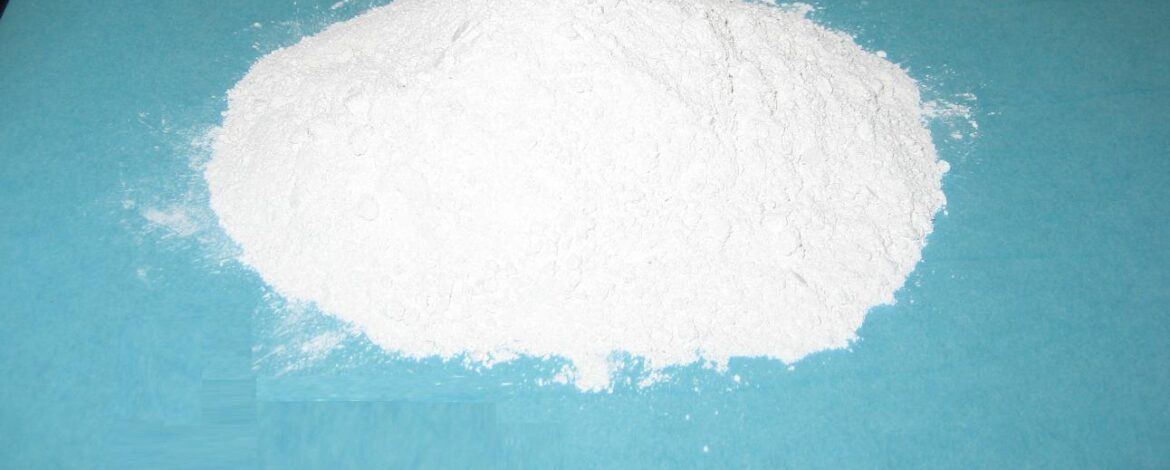
Properties, Applications, Market Demand, and Industrial Value
High purity barite is a strategic industrial mineral widely used across oil & gas, chemical manufacturing, radiation shielding, paints, plastics, and advanced engineering applications. Due to its exceptional density, chemical inertness, and low impurity profile, high purity barite has become a critical raw material in industries that demand precision, safety, and consistent performance.
According to industry analysts, barite consumption exceeds 9 million metric tons annually, with high-purity grades accounting for a rapidly growing share due to stricter technical and environmental standards.
| High purity barite is a strategic industrial mineral widely used across oil & gas, chemical manufacturing, radiation shielding, paints, plastics, and advanced engineering applications.Barite is the primary weighting agent in drilling fluids used to control formation pressure. |
What Is High Purity Barite?
Definition and Chemical Composition
High purity barite is a refined form of barium sulfate (BaSO₄) characterized by:
-
BaSO₄ content ≥ 95–98%
-
Extremely low levels of iron, silica, calcium, and heavy metals
-
High specific gravity (4.1–4.5 g/cm³)
-
Chemically inert and insoluble in water and acids
“The purity of barite directly influences its performance in high-precision industrial applications, especially in oil drilling and radiation shielding.”
— Industrial Minerals Technical Review
Physical and Technical Properties of High Purity Barite
Key Material Characteristics
| Property | Value |
|---|---|
| Chemical Formula | BaSO₄ |
| Specific Gravity | 4.2 – 4.5 |
| Mohs Hardness | 3 – 3.5 |
| Oil Absorption | Low |
| Whiteness | High (up to 98%) |
| Magnetic Content | Near zero |
These properties make high purity barite ideal for critical environments where material stability, density control, and purity are non-negotiable.
Industrial Applications of High Purity Barite
High Purity Barite in Oil and Gas Drilling
Barite is the primary weighting agent in drilling fluids used to control formation pressure.
Why High Purity Matters in Drilling Mud
-
Prevents contamination of drilling fluids
-
Ensures stable rheology and viscosity
-
Minimizes wear on drilling equipment
-
Complies with API and OCMA standards
“Over 80% of global barite production is consumed by the oil and gas sector.”
— International Energy Materials Report
Radiation Shielding and Medical Applications
Due to its high density and non-toxic nature, high purity barite is extensively used in:
-
X-ray room shielding
-
CT scan facilities
-
Nuclear power plants
-
Radiation-resistant concrete
Barite-based concrete can reduce radiation penetration by up to 99%, making it safer than lead-based alternatives.
Paints, Coatings, and Pigments
High purity barite functions as a functional filler in premium coatings.
Advantages in Coating Formulations
-
Improves gloss and brightness
-
Enhances chemical resistance
-
Increases corrosion protection
-
Reduces raw material costs without compromising quality
In architectural and industrial coatings, barite improves film thickness control and durability.
Plastics and Rubber Manufacturing
In polymer applications, high purity barite offers:
-
Improved dimensional stability
-
Enhanced sound insulation
-
Increased weight without toxicity
-
Better surface finish
It is commonly used in automotive plastics, PVC flooring, cable insulation, and rubber compounds.
Market Demand and Global Statistics

Global Barite Market Overview
-
Estimated market value: USD 2.1 – 2.4 billion
-
Projected CAGR: 5–6% (2024–2030)
-
Fastest growth regions: Asia-Pacific, Middle East, Africa
High purity grades are in particularly high demand due to:
-
Tighter environmental regulations
-
Growth in oil exploration
-
Expansion of medical infrastructure
Quality Standards and Specifications
International Standards for High Purity Barite
-
API 13A – Oil and gas drilling grade
-
OCMA – Offshore Chemical Materials Association
-
ISO 3262 – Fillers for paints
-
ASTM C637 – Radiation shielding materials
Meeting these standards ensures compatibility with global industrial supply chains.
Processing and Beneficiation of High Purity Barite
Advanced Refinement Techniques
To achieve high purity levels, barite undergoes:
-
Gravity separation
-
Magnetic separation
-
Flotation
-
Chemical bleaching
-
Micronization
These processes reduce unwanted minerals and enhance whiteness, density, and consistency.
Commercial Advantages of High Purity Barite
Why Buyers Prefer High Purity Grades
-
Higher performance consistency
-
Lower rejection rates
-
Compliance with international regulations
-
Reduced processing costs for end-users
-
Higher resale and export value
“Premium barite grades provide long-term cost efficiency despite higher upfront pricing.”
— Mining & Materials Economics Journal
Sustainability and Environmental Considerations
High purity barite is considered environmentally safe because:
-
It is chemically inert
-
Non-toxic and non-reactive
-
Does not leach into soil or water
-
Reduces reliance on heavy metals like lead
Modern mining operations increasingly follow ISO 14001 environmental management systems to ensure responsible extraction.
Reliable Industry Resources and References
For further technical validation and market insights, consult:
-
International Energy Agency (IEA)
-
U.S. Geological Survey (USGS – Barite Reports)
-
American Petroleum Institute (API)
-
Industrial Minerals Association
-
ASTM International Standards
These organizations provide verified data, technical guidelines, and regulatory frameworks for barite production and application.
Conclusion: Why High Purity Barite Is a Strategic Industrial Mineral
High purity barite is more than a raw material—it is a performance-driven industrial solution. With its unmatched density, chemical stability, and regulatory compliance, it supports critical industries worldwide.
As global demand for energy, infrastructure, healthcare, and advanced manufacturing continues to rise, high purity barite will remain a cornerstone mineral for safe, efficient, and sustainable industrial development.